Get Residential Roof Replacement
Residential roof replacement services help property owners address damaged or aging roofs by involving local contractors who handle projects like new installations, repairs, and complete overhauls.
If you're considering a residential roof replacement, you're in the right place to explore your options. Property owners in the area often evaluate roof replacement to enhance the safety, durability, and overall appearance of their homes. Whether planning for long-term protection or updating your property's look, understanding the local choices can help you make informed decisions tailored to your specific needs.
Comparing local contractors who specialize in residential roof replacement can provide valuable insights into available services and solutions. By exploring different service providers, property owners can identify experienced professionals capable of managing various roofing projects. Keep reading to discover how connecting with the right local experts can support your home improvement plans.
- Residential Roof Replacement - Needed when a roof has extensive damage or aging that cannot be repaired effectively.
- Shingle Roof Replacement - Suitable for homeowners experiencing leaks or deterioration in asphalt shingle roofing systems.
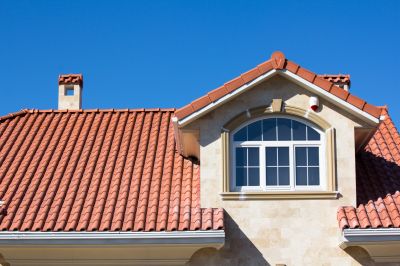
- Tile Roof Replacement - Required when tile roofs are cracked, broken, or past their lifespan, risking water intrusion.
- Wood Shake Roof Replacement - Necessary if wood shakes are rotting, splitting, or becoming a fire hazard.
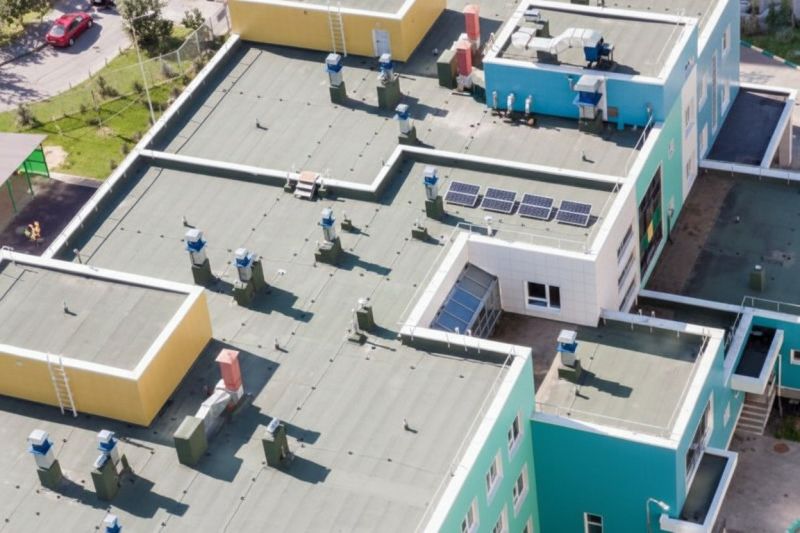
- Flat Roof Replacement - Recommended for flat or low-slope roofs showing signs of leaks, ponding, or membrane failure.
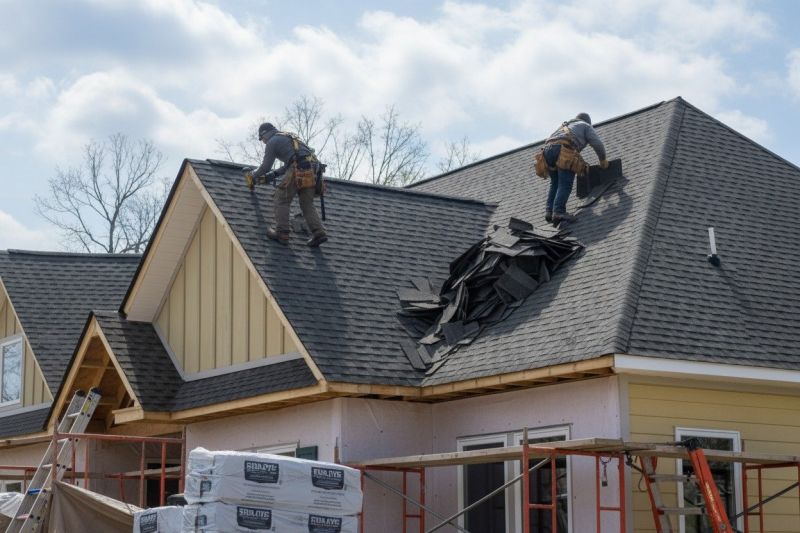
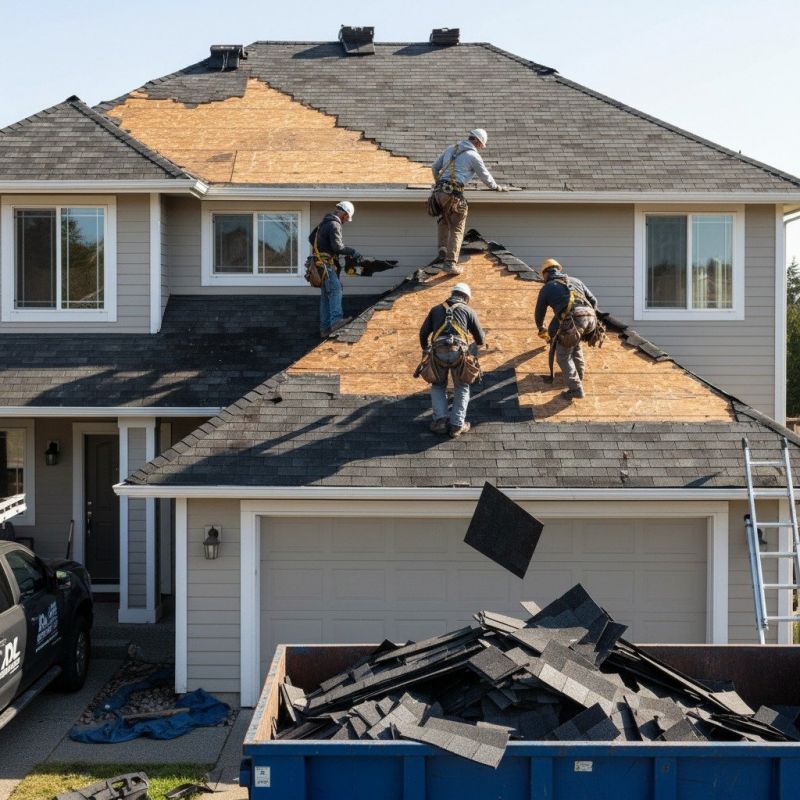
Residential roof replacement services involve removing an existing roof and installing a new one to ensure the property remains protected from the elements. This process typically includes inspecting the current roof, removing old or damaged materials, repairing any underlying structural issues, and then installing new roofing materials such as shingles, tiles, or metal panels. The goal is to restore the roof’s integrity, improve its appearance, and extend its lifespan, providing homeowners with peace of mind that their home is safeguarded against weather-related damage.
This service helps address a variety of problems that can compromise a roof’s effectiveness. Common issues include extensive shingle or tile damage from storms, persistent leaks that cause interior water damage, and signs of aging like curling, cracking, or missing roofing materials. Additionally, a roof may need replacement if it has suffered structural deterioration, mold growth, or if it no longer meets current safety standards. Replacing a roof can prevent further damage to the home’s interior and structure, saving homeowners from costly repairs down the line.
Residential roof replacement is often needed for a wide range of property types, including single-family homes, townhouses, and multi-family dwellings. Homes with older roofs, typically over 20 years, are more likely to require replacement due to the natural wear and tear over time. Properties that have experienced severe weather events or have visible damage, such as missing shingles or sagging areas, are also candidates for replacement. Whether a home has a traditional design or a more modern style, experienced local contractors can recommend the best materials and solutions to match the property’s architecture and ensure long-lasting protection.
Homeowners should consider roof replacement when they notice signs of significant damage or deterioration that cannot be easily repaired. Issues like frequent leaks, extensive shingle loss, or visible structural problems indicate that a new roof may be necessary. Replacing a roof can also improve curb appeal and increase the value of the property. To explore options and connect with local service providers who specialize in residential roof replacement, homeowners can seek out trusted contractors in their area who can assess their specific needs and recommend appropriate solutions.
The overview below groups typical Residential Roof Replacement projects into broad ranges so you can see how smaller, mid-sized, and larger jobs often compare in your area.
In many markets, a large share of routine jobs stays in the lower and middle ranges, while only a smaller percentage of projects moves into the highest bands when the work is more complex or site conditions are harder than average.
Smaller Repairs - minor roof repairs typically cost between $250 and $600 for many routine jobs like fixing leaks or replacing a few shingles. Most projects fall within this range, especially for simple, localized issues.
Partial Roof Replacement - replacing a section of a roof or repairing damaged areas usually ranges from $1,000 to $3,500. Larger, more complex partial replacements can reach $4,000 or more, but many projects stay in the middle of this range.
Full Roof Replacement - complete roof replacements generally cost between $5,000 and $15,000, depending on the material and roof size. While some high-end or extensive projects can exceed $20,000, most fall within this typical range.
Premium or Complex Projects - larger, more intricate roof replacements or those involving premium materials can cost $20,000 or more. These projects are less common but are necessary for high-end or very large properties.
Actual totals will depend on details like access to the work area, the scope of the project, and the materials selected, so use these as general starting points rather than exact figures.
Roof Repair - Local contractors skilled in roof repair share similar planning, inspection, and repair techniques used in full roof replacements.
Gutter Installation - Installing gutters involves working on the roof edge, requiring knowledge of roofing systems and safety measures similar to roof replacement projects.
Attic Insulation - Attic insulation projects often require access through the roof area, utilizing planning and tools comparable to those used in roof replacement services.
Siding Replacement - Siding replacement involves exterior work that complements roofing projects, sharing skills in exterior planning and weatherproofing.
Skylight Installation - Installing skylights requires roof access and sealing techniques akin to those used in residential roof replacement.
Storm Damage Restoration - Restoring roofs after storm damage involves assessment and repair skills similar to those needed for replacing aging or damaged roofs.
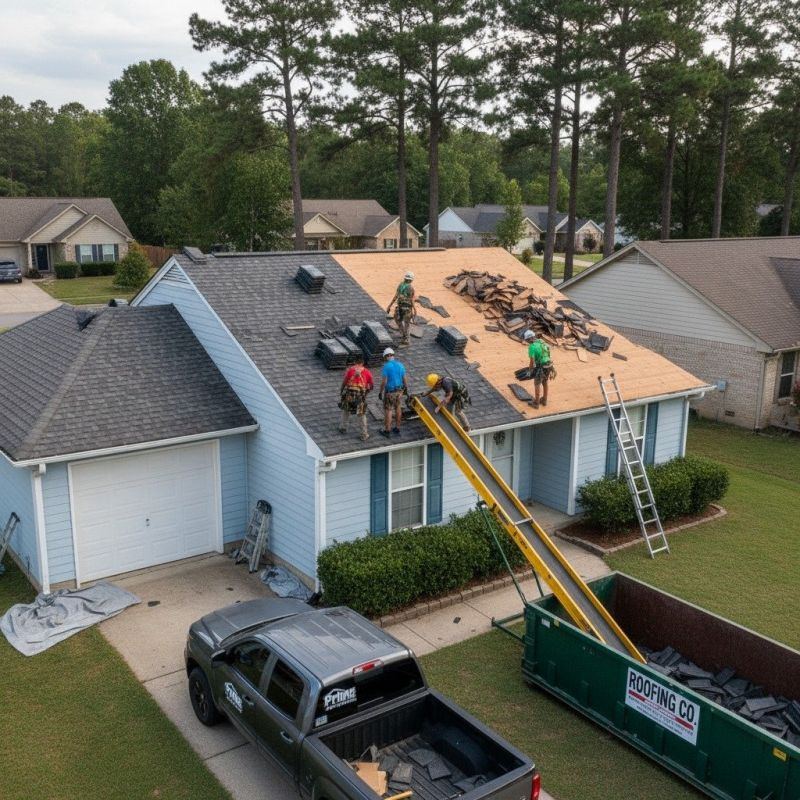
When comparing service providers for residential roof replacement, it’s important to consider their experience with similar projects. A contractor who has handled roofs comparable in size, style, and material can be better equipped to deliver quality results. Homeowners should inquire about the types of roofs the contractor has worked on and seek out those with a proven track record of completing projects similar to their own. This experience often indicates familiarity with the specific challenges and best practices associated with different roofing systems, helping to ensure a smoother process and a more reliable outcome.
Clear, written expectations are essential when evaluating local contractors. Homeowners should request detailed proposals that outline the scope of work, materials to be used, and any relevant warranties or guarantees. Having this information in writing helps prevent misunderstandings and provides a basis for comparing different options. It also demonstrates the contractor’s professionalism and transparency. Clear communication about project specifics allows homeowners to make informed decisions and ensures everyone is aligned on the goals and responsibilities involved in the roof replacement.
Reputable references and effective communication are key factors in selecting a dependable service provider. Homeowners should seek out local contractors who can provide references from past clients with similar projects, offering insights into the quality of work and reliability. Additionally, good communication-responding promptly, answering questions thoroughly, and maintaining transparency-can greatly influence the overall experience. Engaging with service providers who prioritize clear, consistent communication and have positive references helps homeowners feel confident in their choice and increases the likelihood of a successful roof replacement.
Property owners use Residential Roof Replacement services for practical projects around their homes and businesses. This guide focuses on everyday jobs and straightforward project options.
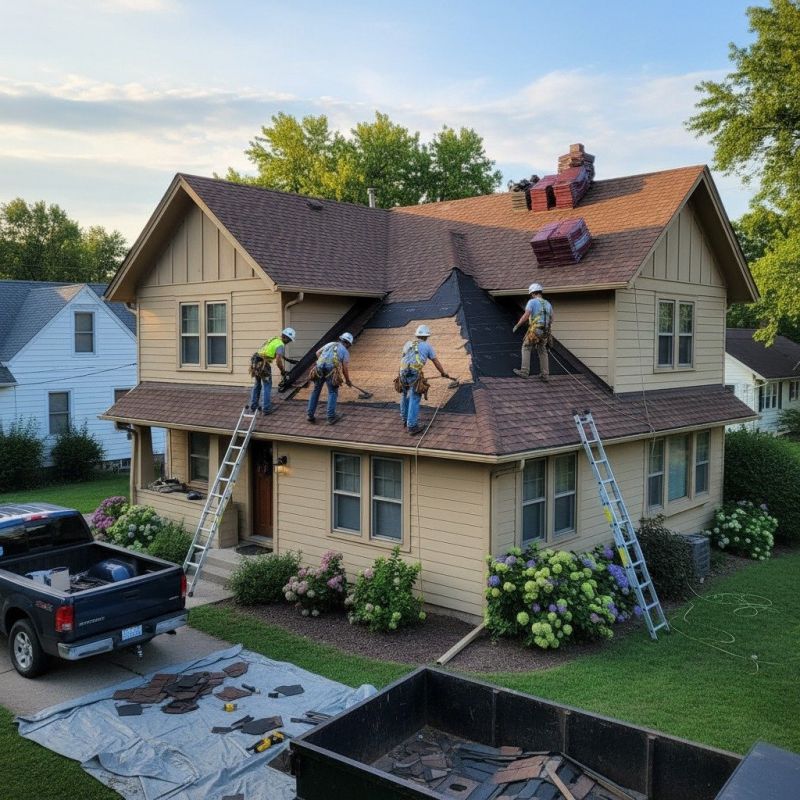
Residential roof replacement is often needed when property owners notice signs of aging or damage, such as leaks, missing shingles, or widespread wear. In many cases, homeowners seek out local contractors to upgrade their roofs after severe weather events or to improve the overall appearance and value of their homes. These projects can also arise from routine inspections that reveal the need for repairs or when a roof has simply reached the end of its service life.
Property owners in the area may look for local service providers to handle roof replacements due to issues like persistent leaks, storm damage, or the desire to enhance energy efficiency. Local contractors are experienced in assessing the specific needs of homes in the community and can recommend suitable solutions to ensure durability and protection. Connecting with trusted local pros can help homeowners address these common concerns efficiently and effectively.
What are signs that a roof needs replacement? Indicators include missing or damaged shingles, persistent leaks, visible sagging, and extensive age-related wear.
How do I know if a roof replacement is necessary? A professional assessment can determine if repairs are sufficient or if a full replacement is recommended based on the roof’s condition.
What types of roofing materials are available for replacement? Common options include asphalt shingles, metal roofing, and architectural shingles, among others, depending on preferences and local availability.
Can a roof replacement improve the energy efficiency of a home? Yes, certain roofing materials and proper installation can enhance insulation and reduce energy costs.
How do local contractors handle residential roof replacements? They typically conduct inspections, prepare the site, and carefully install new roofing materials to ensure durability and proper function.
Assessing Roof Damage - Property owners can use this service to evaluate whether their roof needs repairs or replacement after severe weather or wear.
Upgrading for Better Insulation - Homeowners might consider roof replacement to improve energy efficiency and reduce heating or cooling costs.
Preparing for Home Renovations - When planning major renovations, replacing the roof can ensure the structure is sound and ready for upgrades.
Enhancing Curb Appeal - Replacing an aging roof can refresh the home's appearance and increase its overall value and attractiveness.
If you are thinking about Residential Roof Replacement for a property, this guide is meant to help you understand the work, the typical project types, and how different options might fit your plans.
When you are ready, you can use the quote form on this page to share a few details about your project. From there, local pros can review the basics and respond with options that match what you have in mind.